Get Suspended Ceiling Installation
Suspended ceiling installation services help property owners improve space aesthetics, conceal wiring or ductwork, and upgrade ceilings in commercial or residential projects with the help of experienced local contractors.
Suspended ceiling installation is a practical solution for property owners looking to enhance interior spaces, improve acoustics, or conceal structural elements. Whether upgrading a commercial office, renovating a retail space, or refreshing a residential area, many find that a suspended ceiling offers flexibility and aesthetic appeal. Exploring local contractors can help property owners compare options, ensuring the project aligns with their specific needs and design preferences.
For those planning a property improvement project, understanding the range of services available within the local area can make the process more straightforward. Connecting with experienced service providers can provide valuable insights into different installation techniques and materials, helping property owners make informed decisions. Keep reading to discover how local contractors can assist in bringing your suspended ceiling ideas to life.
- Commercial Office Spaces - businesses seeking to improve lighting and acoustics often need suspended ceiling installation.
- Retail Stores - retail environments requiring aesthetic ceiling solutions to enhance customer experience.
- Educational Facilities - schools and universities looking to create functional and budget-friendly ceiling systems.
- Healthcare Facilities - clinics and hospitals that need clean, accessible ceiling options for maintenance and safety.
- Industrial Warehouses - large storage areas requiring durable ceilings that conceal utilities and improve acoustics.
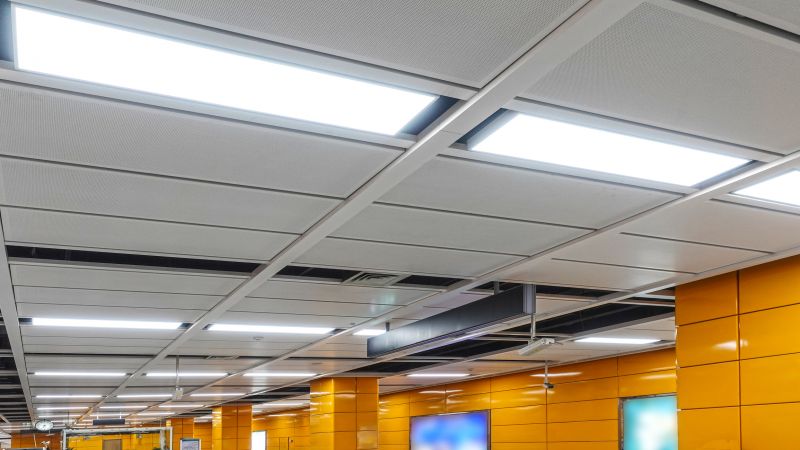

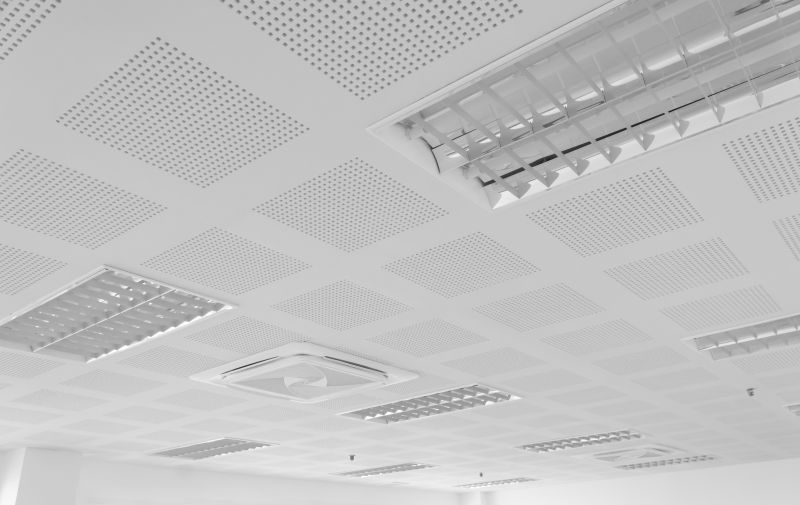
Suspended ceiling installation involves attaching a secondary ceiling beneath the existing structural ceiling. This process typically includes installing a grid framework made of metal or other materials, into which ceiling tiles or panels are placed. The result is a smooth, uniform ceiling surface that can enhance the appearance of a room, improve acoustics, and provide space for hiding wiring, ductwork, or insulation. This service is often chosen for its ability to quickly update the look of a space while offering practical benefits such as improved lighting options and easier access to building systems above the ceiling.
Suspended ceilings help address a variety of common problems in both residential and commercial properties. They are frequently used to conceal unsightly or damaged original ceilings, hide electrical wiring, plumbing, or HVAC ducts, and reduce noise transmission between floors or rooms. Additionally, suspended ceilings can improve lighting efficiency by allowing for the installation of diffusers or adjustable fixtures, creating a more comfortable and functional environment. This makes them a practical solution for spaces that need a quick aesthetic upgrade or functional improvements without extensive renovation work.
This type of ceiling installation is popular in a range of property types, including homes, offices, retail stores, and educational facilities. Homeowners may choose suspended ceilings in basements, garages, or utility rooms to improve appearance and accessibility. Commercial properties often utilize them in office spaces, corridors, or retail areas to create a clean, professional look and to facilitate maintenance of building systems. The versatility of suspended ceilings makes them suitable for spaces that require both aesthetic appeal and practical functionality.
When considering suspended ceiling installation, property owners should evaluate their specific needs and the space’s characteristics. These ceilings are especially useful in areas where access to wiring, piping, or ductwork is necessary for maintenance or future modifications. They are also a solution for properties with uneven or damaged original ceilings that need to be covered. Local contractors can assess the space and recommend the best type of grid and ceiling panels to meet both aesthetic and functional requirements, ensuring the finished ceiling aligns with the property’s overall design and use.
The overview below groups typical Suspended Ceiling Installation projects into broad ranges so you can see how smaller, mid-sized, and larger jobs often compare in your area.
In many markets, a large share of routine jobs stays in the lower and middle ranges, while only a smaller percentage of projects moves into the highest bands when the work is more complex or site conditions are harder than average.
Smaller Repairs - Typical costs for minor suspended ceiling repairs or replacements range from $250 to $600. Many routine jobs fall within this middle range, depending on the scope of work and materials needed.
Standard Installation - Installing a new suspended ceiling in a standard room usually costs between $1,000 and $3,000. Local contractors often find that most projects land in this range, with fewer jobs reaching higher prices.
Full Office or Large-Scale Projects - Larger projects, such as office renovations or commercial installations, can range from $5,000 to $15,000 or more. These costs vary widely based on size, complexity, and materials used.
Custom or High-End Installations - High-end suspended ceiling installations with premium materials or intricate designs typically exceed $15,000 and can reach $30,000+. Such projects are less common and usually involve specialized features or larger spaces.
Actual totals will depend on details like access to the work area, the scope of the project, and the materials selected, so use these as general starting points rather than exact figures.
Drop Ceiling Installation - local contractors experienced in installing suspended ceilings for commercial and residential spaces, utilizing similar framing and grid systems.
Interior Wall Partitioning - professionals who design and install interior partitions often work with suspended ceiling systems to create functional room layouts.
Acoustic Wall Paneling - service providers that install sound-absorbing panels often coordinate with suspended ceiling installation to enhance room acoustics.
Lighting Fixture Installation - electricians and installers who mount lighting within suspended ceilings require similar planning and access techniques.
Drywall and Ceiling Finishing - drywall contractors who finish ceilings and walls use overlapping skills in surface preparation and finishing techniques.
HVAC Ductwork Installation - HVAC specialists who install duct systems in ceiling cavities often work alongside suspended ceiling installers to accommodate ventilation needs.
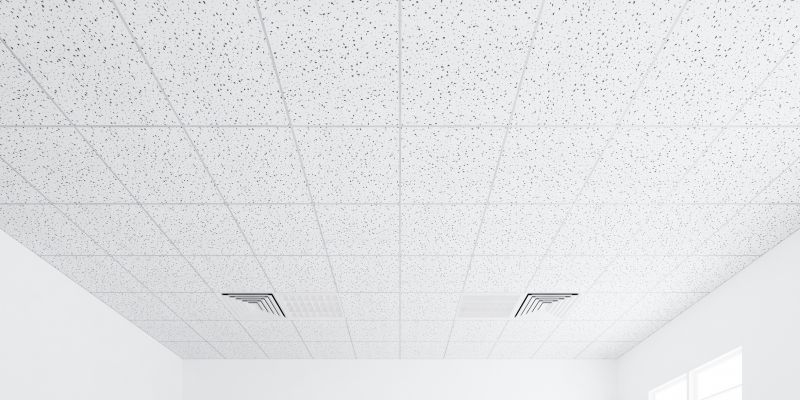
When comparing service providers for suspended ceiling installation, it’s important to consider their experience with similar projects. Homeowners should inquire about how many ceilings they have installed that resemble the scope and design of the current project. A contractor with a solid track record in handling comparable spaces can often provide insights into potential challenges and solutions, helping to ensure the job is completed smoothly and to expectations. While formal credentials are not the focus, a history of successful installations can serve as a useful indicator of a contractor’s familiarity and proficiency with suspended ceilings.
Clear, written expectations are essential to avoid misunderstandings and ensure the project aligns with the homeowner’s vision. When evaluating local contractors, it’s helpful to request detailed descriptions of the scope of work, materials to be used, and the projected timeline. Having these details in writing fosters transparency and provides a reference point throughout the project. Homeowners should also ask for reputable references or examples of completed work to verify the quality and consistency of the contractor’s previous projects, which can offer peace of mind and confidence in their capabilities.
Effective communication is a key factor in selecting a reliable service provider. Contractors who are responsive, transparent, and willing to answer questions can make the process much more straightforward. Good communication helps clarify expectations, address concerns promptly, and keep the project on track. It’s worthwhile to observe how promptly and clearly a potential contractor responds during initial interactions, as this often reflects their overall professionalism and dedication to client satisfaction. Remember, this site’s role is to introduce homeowners to local options, enabling informed comparisons, rather than performing the installation itself.
Property owners use Suspended Ceiling Installation services for practical projects around their homes and businesses. This guide focuses on everyday jobs and straightforward project options.

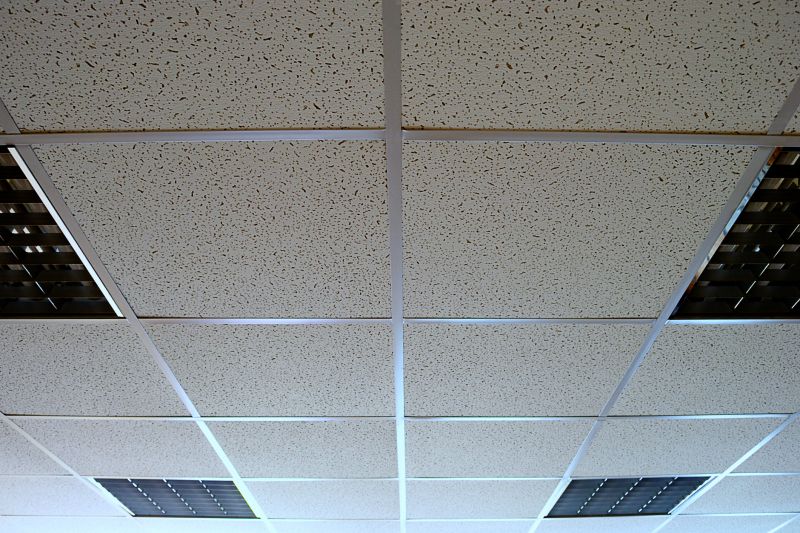
Suspended ceiling installation is a common solution for property owners looking to improve the appearance and functionality of interior spaces. Whether it's updating an office, renovating a basement, or creating a more polished look in a retail store, local contractors can handle a variety of projects that involve installing suspended ceilings. These services are often sought after when there is a need to conceal wiring, pipes, or ductwork, or to improve acoustics and lighting conditions within a room.
Property owners in the area might also look for suspended ceiling installation to address issues like uneven ceilings, water damage, or outdated designs. Local service providers can help with replacing old or damaged ceiling tiles, installing new grid systems, or customizing ceiling styles to match interior decor. Connecting with experienced contractors ensures that these projects are completed efficiently and to the desired standards, making it easier to achieve a clean, professional finish.
What is a suspended ceiling? A suspended ceiling is a secondary ceiling installed below the main ceiling to improve aesthetics, hide ductwork, or provide acoustic benefits, often using a grid system and ceiling tiles.
What are common materials used for suspended ceilings? Common materials include mineral fiber tiles, metal panels, and fiberglass panels, chosen based on desired appearance, acoustics, and durability.
Can suspended ceilings be installed in existing spaces? Yes, many local contractors can install suspended ceilings in existing rooms, making it a flexible option for renovations or upgrades.
Are suspended ceilings suitable for all types of rooms? Suspended ceilings are suitable for many types of rooms, especially commercial spaces and basements, but a professional can assess specific needs.
What are the benefits of hiring local service providers for suspended ceiling installation? Hiring local contractors can provide expertise, convenience, and tailored solutions to ensure the suspended ceiling meets the specific requirements of the space.
Ceiling Improvements for Home Comfort - Installing a suspended ceiling can help improve acoustics and reduce noise levels in living spaces or home offices.
Creating a Modern Look in Commercial Spaces - Local contractors can help update office or retail environments with sleek suspended ceilings that enhance aesthetics.
Upgrading Basement or Garage Ceilings - Suspended ceiling installation offers a practical way to conceal pipes, wiring, or structural elements in utility areas.
Enhancing Lighting and Ventilation - Installing drop ceilings can provide easier access for lighting fixtures and ventilation systems in various rooms.
If you are thinking about Suspended Ceiling Installation for a property, this guide is meant to help you understand the work, the typical project types, and how different options might fit your plans.
When you are ready, you can use the quote form on this page to share a few details about your project. From there, local pros can review the basics and respond with options that match what you have in mind.